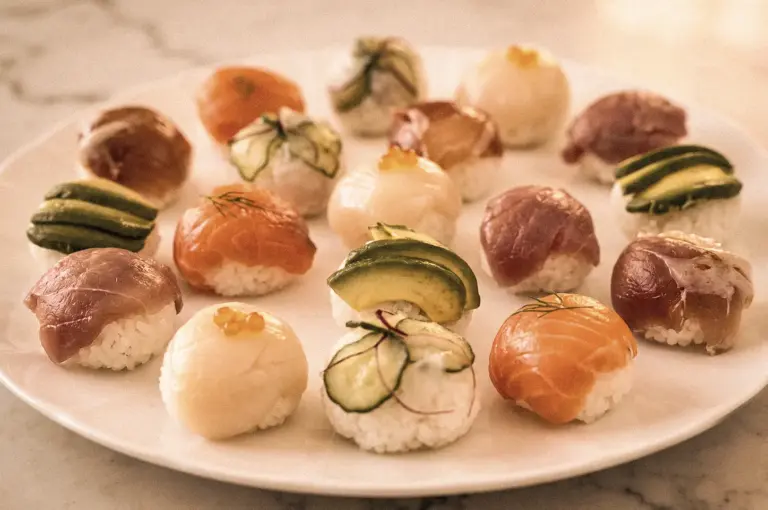

Picture a plate of small, bright spheres, each one topped with a slice of fish or a curl of omelette, cut small enough to eat in a single bite. That is temari sushi, and it is the friendliest corner of the whole sushi world. It borrows its name and its look from the temari, the embroidered Japanese handball, and it asks nothing of you but a steady hand and good ingredients. No years of training. No knife tricks. Just rice, a topping, and a sheet of plastic wrap.
What is Temari Sushi?
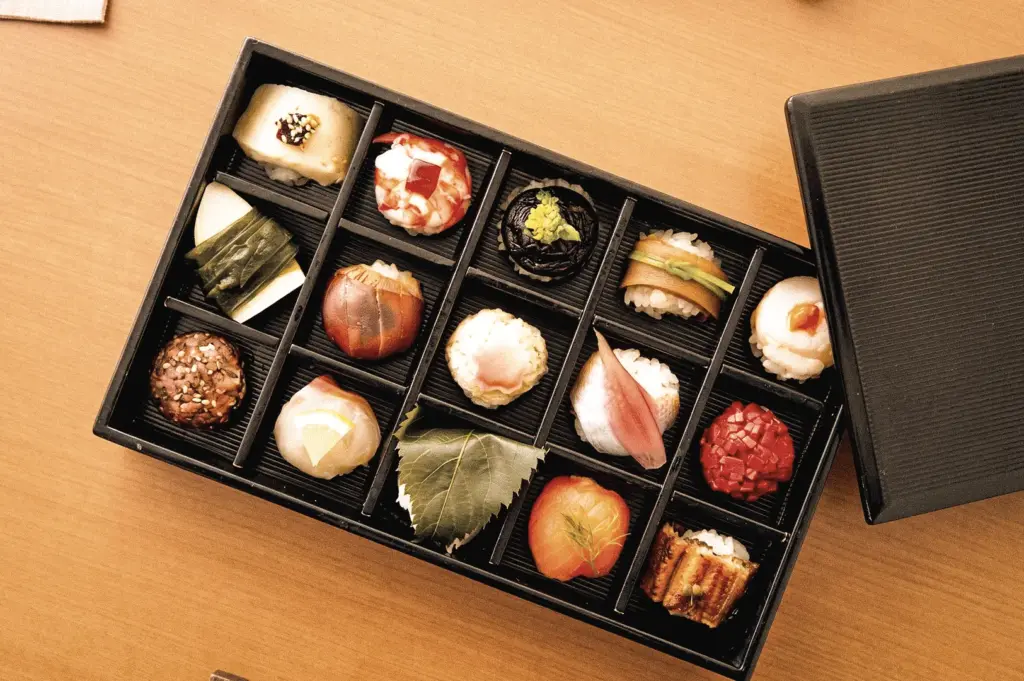
Temari sushi is small, round, ball-shaped sushi: a bite-sized sphere of vinegared rice topped or draped with something colourful. The name is a plain description. Te means “hand” and mari means “ball,” so a temari is a handball, and the sushi mimics the bright, patterned look of the toy. In Japanese the dish is called temarizushi, the s voicing to z after the first word.
It is associated with Kyoto, and you will sometimes see it called Kyosushi (“Kyo” sushi) after the city. The shape is the whole idea. Where most sushi is oblong or wrapped, this one is a neat little globe, meant to sit on a platter alongside others like a bowl of coloured marbles.
The Embroidered Ball Behind the Name
The toy came first, and it came a long way. Temari balls descend from kemari, a deerskin kick-ball game that arrived in Japan from China over 1,300 years ago, in the Asuka-Nara era. By the Edo period the balls had become embroidered toys for girls, wound from silk and cotton thread, traditionally given by mothers to daughters at New Year as a wish for happiness.
Those balls carry meaning. They stand for good fortune, friendship and harmony, and they are given to brides as well as children. That is why their edible namesake suits a celebratory table so well. As for the food itself, it is said the small balls were created so that maiko (apprentice geisha) and geisha could eat sushi gracefully in one bite, without smudging their lipstick. It is a lovely story, repeated across many sources, though nobody has pinned it to a date.
How Temari Sushi is Shaped, Served and Eaten
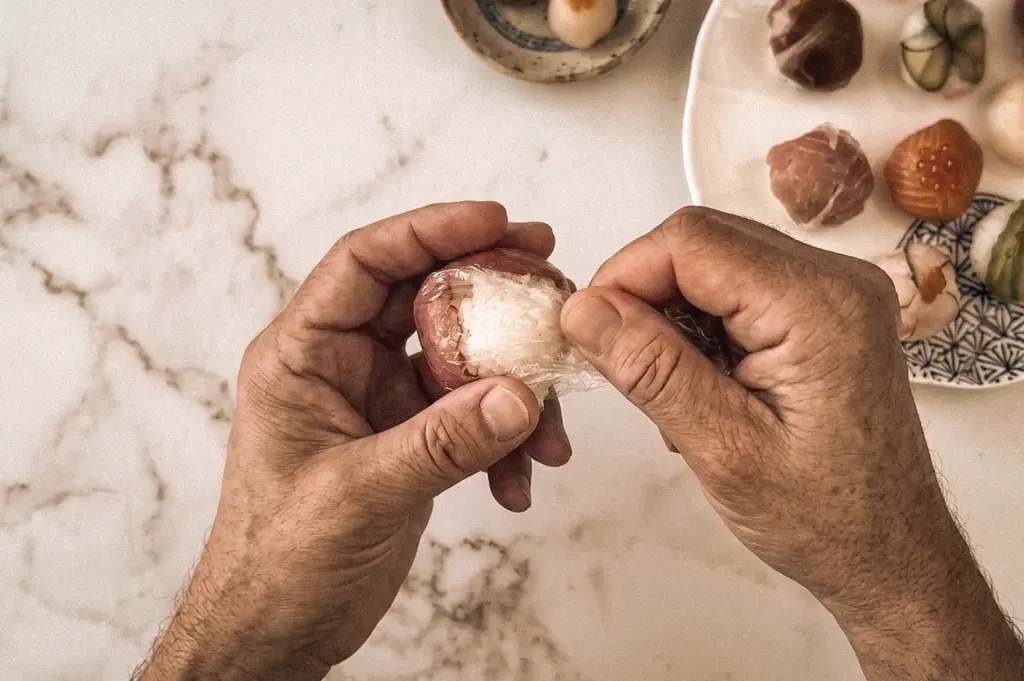
The shaping is where temari earns its reputation as the easy one. A topping goes face-down on a square of plastic wrap, a small mound of rice sits on top, and the wrap is gathered and twisted. That twist compresses the rice into a smooth sphere and pulls the topping snugly around the curve. Then you unwrap it, and there it is.
The finished ball runs about 3 to 3.5 cm across, smaller than a ping-pong ball and built as a single, clean bite. It shows up at celebrations: Hinamatsuri, the Doll’s Day or Girls’ Day held on 3 March, is the classic occasion, but birthday parties and even Christmas gatherings borrow it too. A good temari platter is a spread of colours and patterns, which is exactly the point.
Temari Sushi vs. Nigiri: What is the Difference?
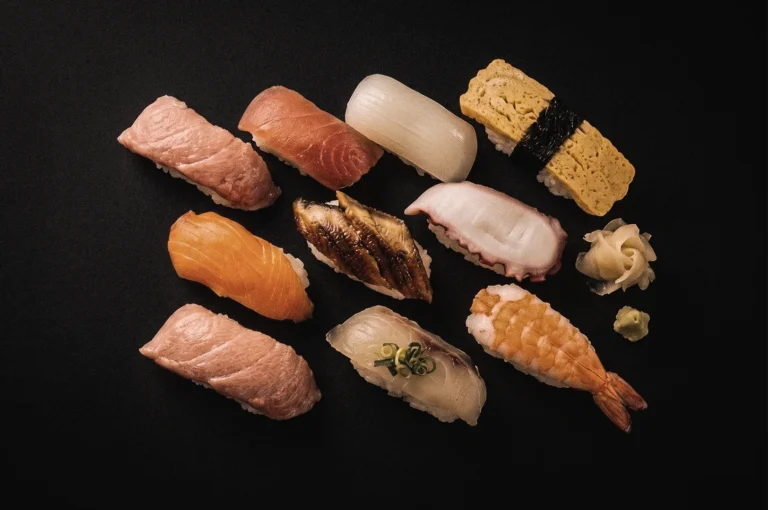
The temari sushi vs. nigiri question comes down to the hands. Nigiri is hand-formed, a skill that takes years to do well: pressure, temperature and rhythm all learned at a counter over a long apprenticeship. Temari skips all of that, because the plastic wrap does the shaping for you.
That does not make it lesser. It makes it different. The two are judged by the same standards once the ball is on the plate, namely the seasoning of the rice and the quality of the topping. What temari removes is the barrier to entry, not the standard itself. A beginner can turn out a respectable ball at home on a first try, which is not something anyone says about nigiri.
Toppings that Work: Why Almost Anything Goes
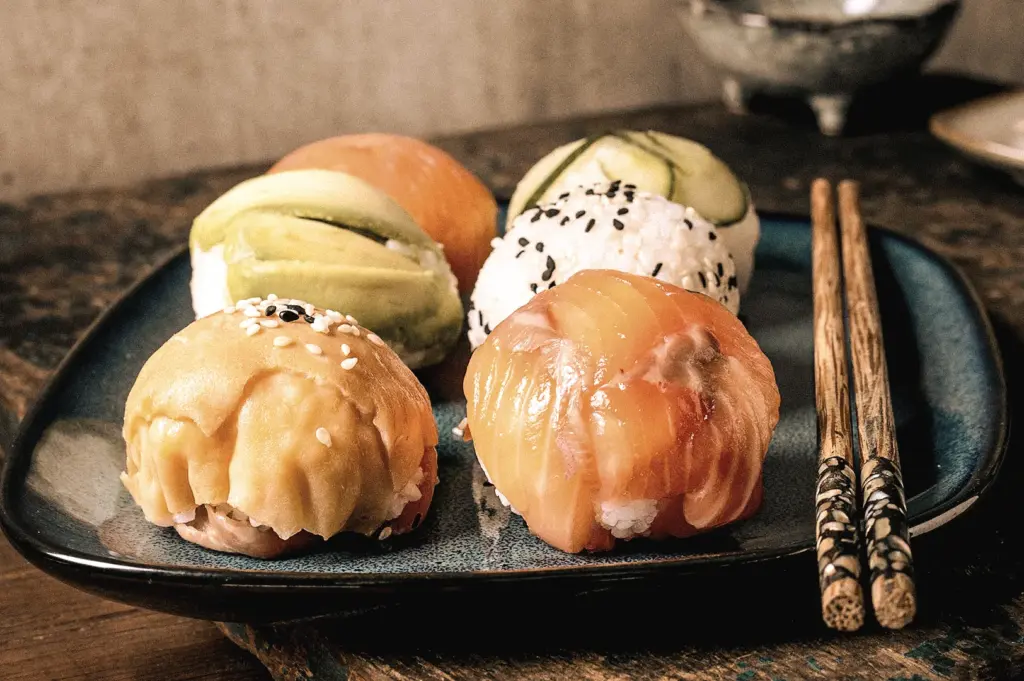
Temari does not need raw fish, which is part of why it travels so well. Raw sashimi slices are the obvious choice, but smoked fish, cured meats, cooked seafood, tamago (sweet rolled omelette) and thin vegetables all work just as happily. Anything that suits vinegared rice suits a temari.
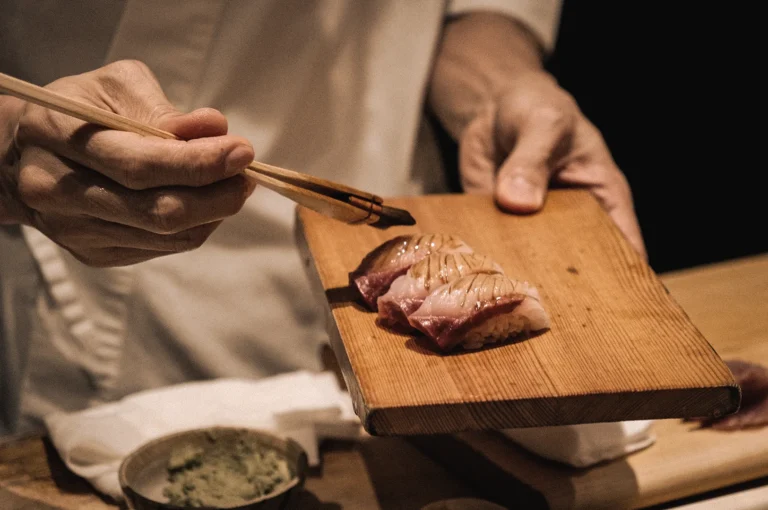
The craft is in the cut. Toppings are sliced thin, in the usu-zukuri (thin-slice) style, and cut a touch oversized so they drape over the curve of the rice like cloth rather than sitting flat on top. Get the cut right and the ball looks like a wrapped gift. There is one quiet rule, though: control the moisture. A wet slice makes the rice weep and lose its shape, so the fish is patted dry, and where it helps, lightly cured or smoked first.
Small, Round and Precise: The Same Standards at the Sushi To Sumi Counter
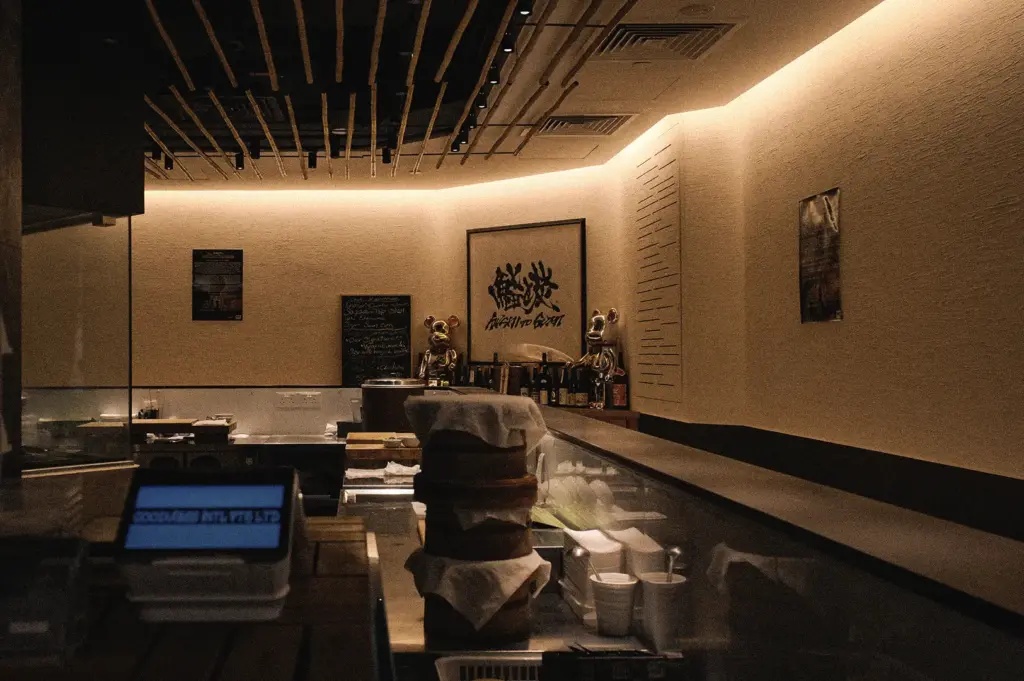
Temari looks playful, but the topping work is pure fishmonger craft. You have to know which fish are firm enough to drape without cracking or sliding, and which want a quick cure before they behave. That is the same judgement Araya Shoten’s counters apply every day when cutting for shape as much as for taste, drawing on sourcing lines that reach beyond Tokyo’s Toyosu Market up to Hokkaido.
It is the same standard we hold at the counter, whether the fish ends up as a ball, a slice, or a piece of nigiri. The menu changes with the day’s catch, so what drapes well one week may give way to something firmer the next. If you want the wider picture of the Japanese food traditions this sits within, see our guide to washoku, and if you simply want good sushi in Singapore, the rice discipline is where it starts.
Common Questions About Temari Sushi
What is temari sushi made of? Vinegared rice pressed into a small ball, with a single topping draped over it. That topping can be raw sashimi, smoked or cured fish, cooked seafood, tamago or vegetables, so it suits almost any preference.
Why is temari sushi round? It is named after and modelled on the temari handball, an embroidered toy that stands for good fortune and harmony. The round shape and bright topping are meant to echo that look.
Is temari sushi easy to make at home? Yes, more than any other style. The plastic wrap does the shaping, and no hand-forming technique is required. The only real skill is in slicing the topping thin and keeping surface moisture under control.
One last thing worth clearing up: temari sushi is not an ancient tradition. The toy is over a thousand years old, but the ball shaped sushi is a modern creation, far younger than nigiri or chirashi. Learning how to make temari sushi is the work of an afternoon, not a lifetime, and that is precisely its charm.
If you’d rather taste the difference than read about it, we’re at 20 Cecil St, one floor up. Book a spot at the bar.