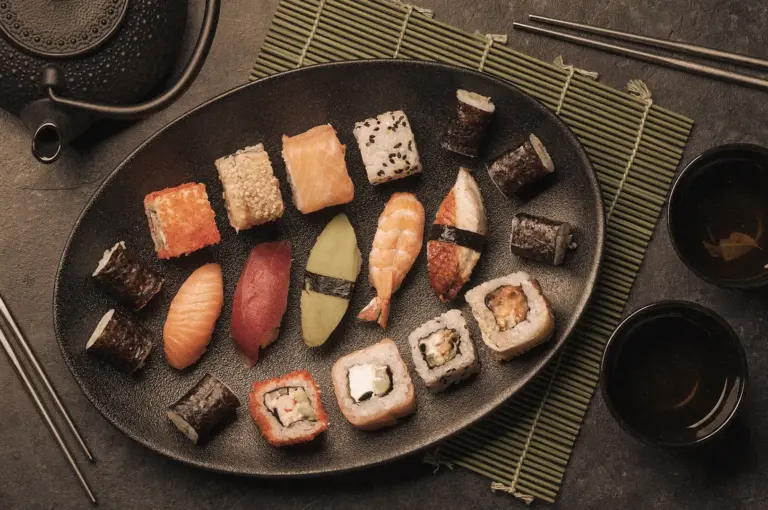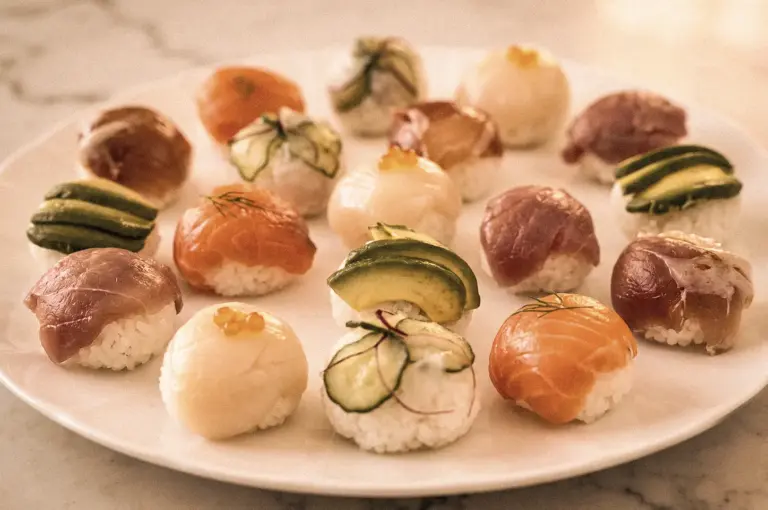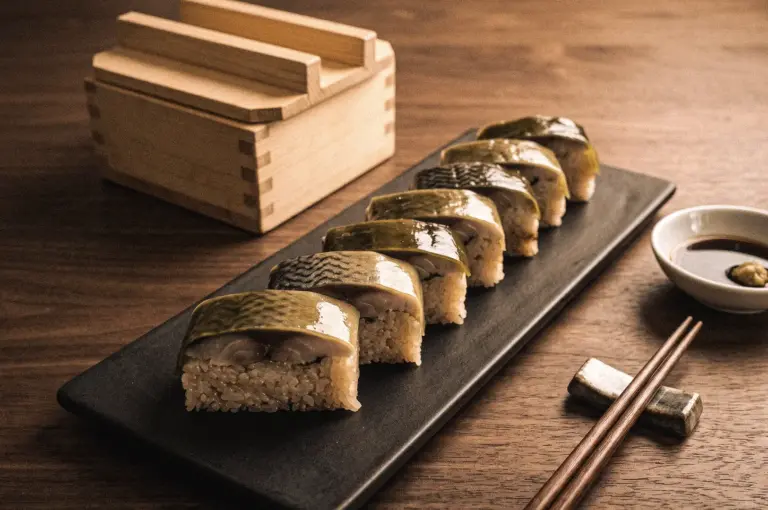

The difference between nigiri and sashimi is sitting right there on the plate: rice. Nigiri is hand-pressed vinegared rice topped with fish or seafood. Sashimi is the fish itself, sliced and served without rice.
That makes nigiri vs. sashimi less a question of which is better and more a question of what you want from the fish. One gives you rice, seasoning, temperature and texture in a single bite. The other leaves nowhere for the fish or the knife work to hide.
Nigiri vs. Sashimi: The One-Ingredient Difference
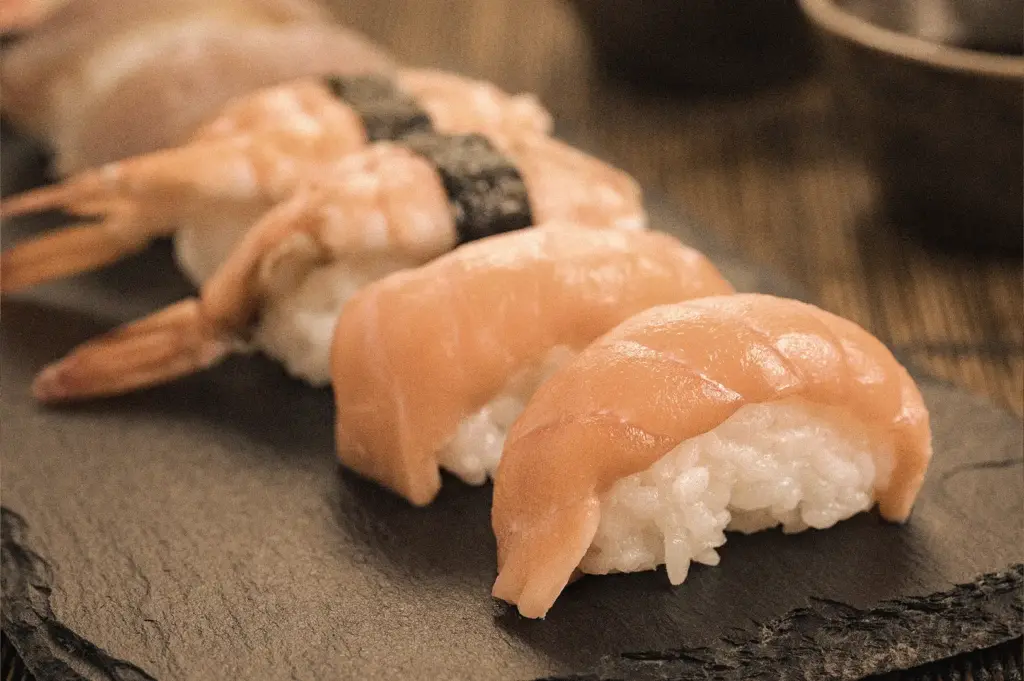
Nigiri is sushi. Sashimi is not.
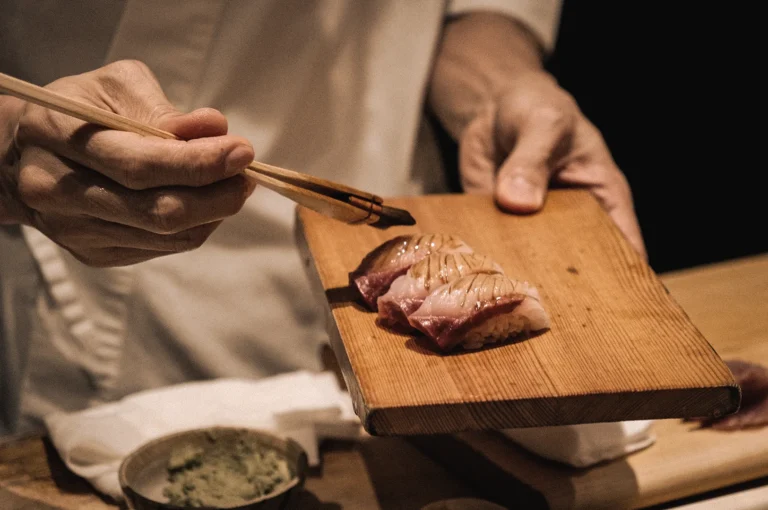
The word nigiri comes from nigiru, meaning “to grasp” or “to press”, which describes exactly what happens: the chef forms a small, oblong mound of vinegared rice by hand, then places a slice of seafood over it. Some pieces may also have a narrow strip of nori holding the topping in place.
Sashimi takes everything away except the seafood. There is no rice to soften the flavour, no seasoned base to add sweetness or acidity. Just the fish, the knife, and whatever small amount of wasabi, soy or garnish accompanies it.
That is the basic nigiri meaning. But the interesting part is what happens to the fish in each format.
What Nigiri Is, and Why the Rice Does Half the Work
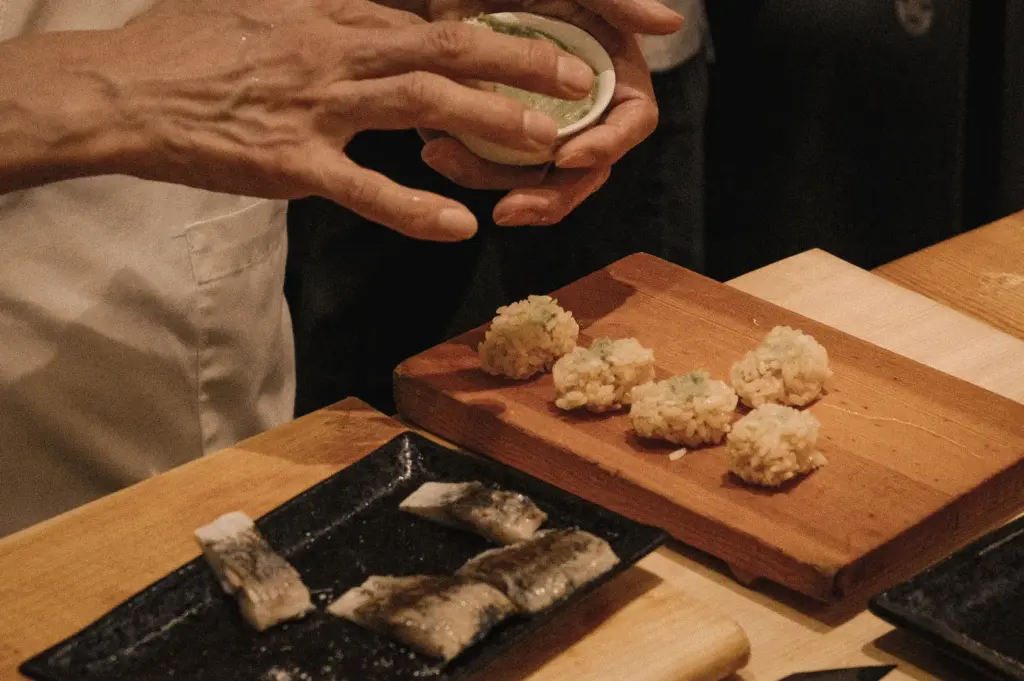
Nigiri is often described as fish on rice, which is technically correct and misses half the point. Proper shari, the seasoned sushi rice, is served warm, around body temperature, so its gentle acidity and warmth meet the cooler fish at exactly the moment you eat it.
The form dates to Edo, now Tokyo, in the 1820s. Hanaya Yohei is credited with developing nigiri and selling it from a stall as fast food, using fresh fish from Edo Bay over vinegared rice and pressing each piece in seconds. His pieces were reportedly around three times the size of the nigiri served today.
The format has changed in size, but not in its basic logic: rice and fish are meant to work together.
The chef also does more seasoning than many first-timers realise. Wasabi is usually placed between the rice and topping by the itamae, or sushi chef, while some pieces are brushed with nikiri, a soy-based glaze. That is why reaching immediately for the soy dish can be unnecessary.
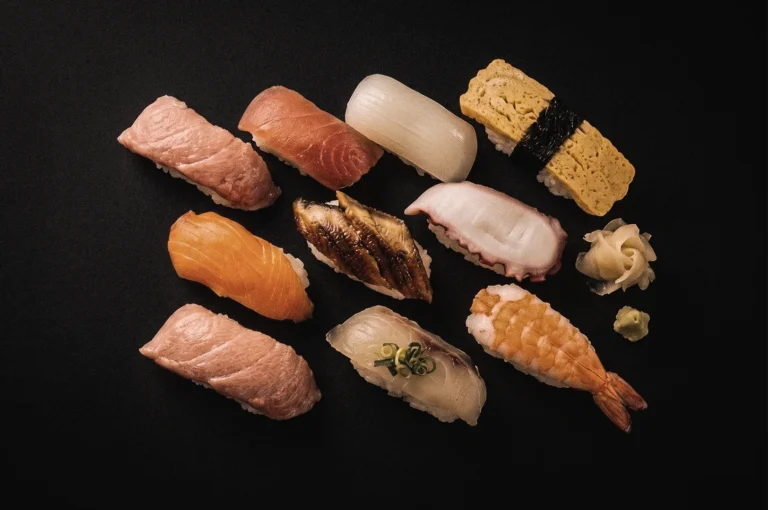
And nigiri is not synonymous with raw fish. Ebi, or boiled shrimp, tamago, the sweet omelette used in sushi, grilled eel, and aburi, or flame-seared fish, are all standard examples. If raw fish is not your thing, nigiri still gives you plenty to order.
If you’re still figuring out the wider menu, our guide to how many types of sushi are there is a useful place to start.
What Sashimi is, and Why Nothing Hides It
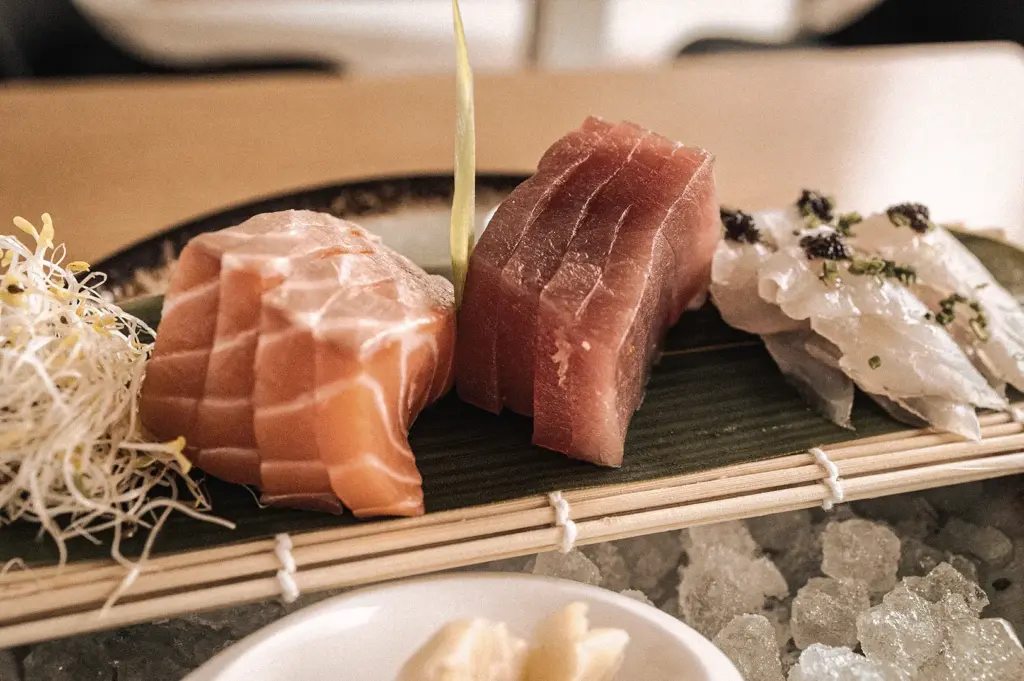
Sashimi is the more stripped-back format. The fish is sliced and served on its own, usually with a small amount of garnish, wasabi and soy.
That makes sashimi a particularly direct test of fish quality and knife work. There is no warm rice to change the texture, no vinegar to add another layer, and no glaze to round off the edges.
The cuts are different, too. Sashimi is generally cut into thicker, larger slices, often from a premium centre section of the fish, because each piece needs enough structure and flavour to stand on its own.
Nigiri toppings are thinner. They need to drape over the rice and fit cleanly into one bite.
The same fish can therefore taste surprisingly different depending on which format you choose. A slice eaten cold on its own will emphasise the fish’s texture and natural flavour; put a thinner slice over warm, lightly acidic rice and its richness and sweetness can read differently.
Neither is the “better” version. They are doing different jobs.
How Each One is Cut, Seasoned and Eaten
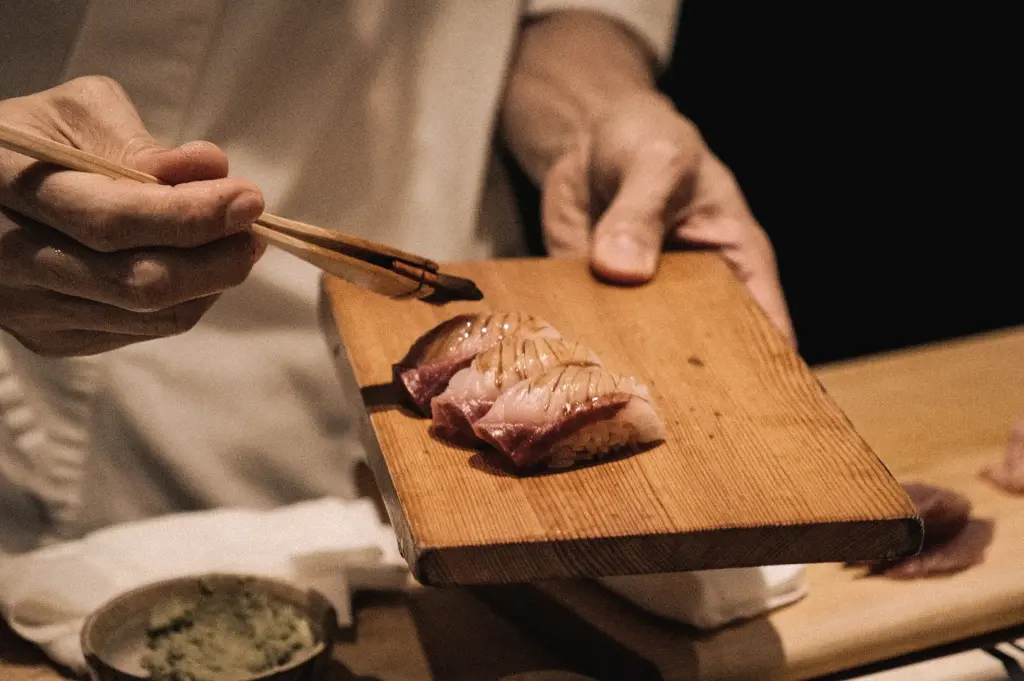
The knife work starts with the same fish but ends in different cuts. Sashimi needs a thicker slab with enough substance to stand alone, while nigiri needs a thinner slice, with the angle adjusted to the grain so it sits neatly over the rice.
How you eat them follows the same logic.
Nigiri is traditionally eaten with the fingers, in one bite. If you use soy, turn the piece so the fish side touches the soy rather than soaking the rice. The chef has already seasoned the piece with wasabi and, where appropriate, nikiri, so a light touch is enough.
Sashimi is usually eaten with chopsticks. Add a little wasabi to the fish if you want it, then give the slice a light dip in soy.
There is also a traditional sequence. Sashimi generally comes before sushi in a Japanese meal, allowing the fish to be tasted on its own before the more composed bites arrive.
Price, Portions, and Carbs, and Which to Order When
Sashimi often costs more per serving because you are paying for a larger portion of top-grade fish, usually cut from the best part of the loin, with more trim left behind. Nigiri is priced by the piece or pair, so you can build an order around your appetite rather than committing to a larger plate.
That makes nigiri easier to scale. If you are trying to work out how much food to order at a Japanese restaurant, ordering a few pieces gives you room to adjust as you go.
There is also a simple nutrition distinction. As a ballpark, sashimi is the lighter, protein-focused option at roughly 30–50 calories per serving with almost no carbohydrates, while one piece of nigiri adds around 6g of carbohydrate and roughly 40–65 calories from the rice.
So choose according to the meal you actually want. If you are watching carbs or want to focus entirely on the fish, sashimi makes sense. If you want something more filling, with the contrast of warm rice and cool seafood, nigiri is the better fit.
For first-timers, nigiri is usually the gentler introduction. The rice brings sweetness, acidity and warmth to the bite, taking some of the intensity out of eating raw fish on its own.
There is another useful experiment: order the same fish both ways. Taste the sashimi first, then the nigiri. You will understand the difference faster than any glossary can explain it.
Try Both Side by Side at the Sushi To Sumi Counter
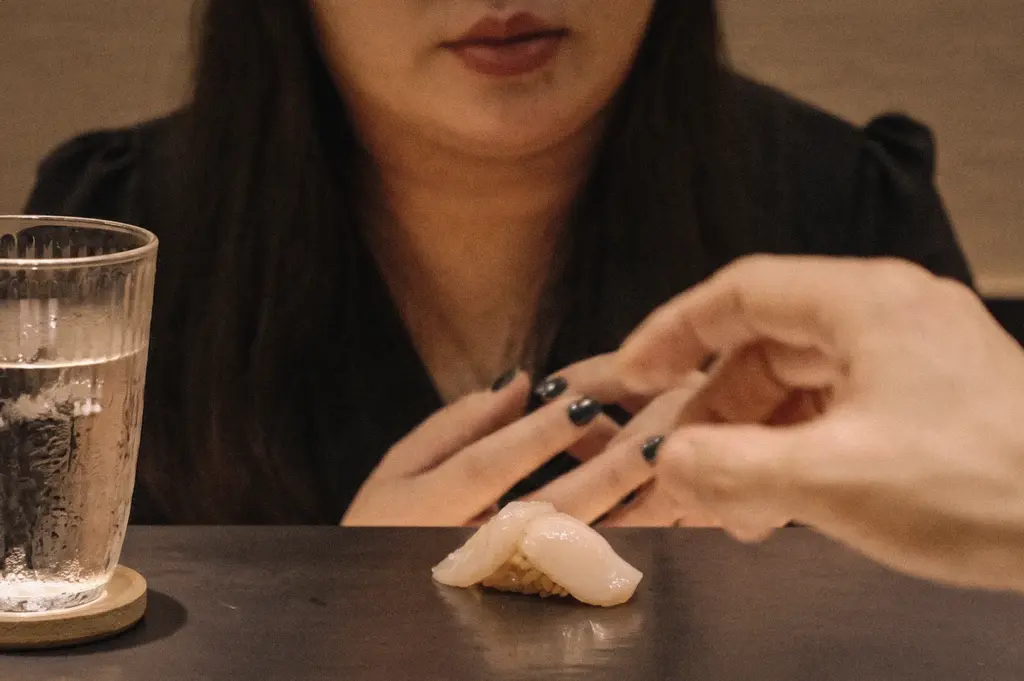
A fishmonger-backed sushi counter makes this distinction before you ever place an order. At Araya Shoten, fish is selected at source, and the kitchen’s job is to decide how each piece should be used rather than treating every cut the same way.
A single fish is portioned into saku blocks before the final cuts are made. From there, the knife angle and thickness change depending on whether the piece is destined for sashimi or nigiri.
Condition matters, too. A fish at peak firmness may be better suited to sashimi, where texture is everything. Another fish whose fat has relaxed after a day or two of resting may eat better against warm shari, where the rice changes how that richness comes across.
That daily judgement happens before the first customer stands at the bar. It is the fishmonger asking a simple question: what does this fish want to be?
At Sushi To Sumi, that thinking fits the standing-counter format. The menu changes with the season and availability, with Japanese seafood backed by Araya Shoten’s sourcing lines beyond Tokyo’s Toyosu Market to Hokkaido.
If you are deciding where to eat quality sushi in Singapore’s CBD, the counter is at 20 Cecil St, PLUS Building #02-01, Raffles Place. Lunch takes 30–45 minutes.
Common Questions About Nigiri and Sashimi
Is nigiri always raw fish? No. Raw fish is common, but it is not a requirement. Boiled shrimp, tamago, grilled eel and aburi fish are all examples of nigiri. The defining feature is the hand-pressed vinegared rice, not whether the topping is raw.
Is sashimi healthier than nigiri? It depends on what you mean by healthier. Sashimi has more fish and virtually no carbohydrates, while nigiri adds rice, which contributes roughly 6g of carbohydrate and 40–65 calories per piece. If your priority is protein and keeping carbohydrates low, sashimi is the obvious choice. If you want a more complete bite with rice, fish and the chef’s seasoning working together, nigiri has its own advantage.
Should beginners order nigiri or sashimi first? Nigiri is usually the easier starting point. The warm, lightly seasoned rice gives the fish some sweetness and acidity, making the overall bite less intense than a thick slice of fish eaten by itself.
Once you know what you like, try the same fish as sashimi and nigiri side by side. That is where the difference becomes obvious.
The choice is not between the “simple” option and the “fancier” one. Nigiri and sashimi simply show the same fish from different angles. If you would rather taste the difference than read about it, we’re at 20 Cecil St, one floor up. Book a spot at the bar.